For years, Out-of-Home (OOH) media buying had a reputation for being a bit of a black box. Big brands dropped six-figure sums on massive highway billboards, while smaller campaigns struggled to figure out what a “fair price” actually looked like.
Times have changed.
Today’s OOH landscape—driven by data, programmatic buying, and high-impact street-level inventory—offers unprecedented flexibility and transparency. Whether you’re allocating a $10,000 localized test budget or a $500,000 multi-market scale campaign, understanding where every dollar goes is the key to driving real conversion.
This guide breaks down the core variables that shape an outdoor ad budget, benchmark CPMs across popular formats, and strategies to stretch your ad spend further.
The 4 Main Pillars of an OOH Budget
When building an outdoor ad budget, your total campaign investment gets divided into two primary buckets: Media Spend (the space itself) and Production/Execution Costs (getting your message onto that space).
Here are the four primary factors that dictate those costs:
Total OOH Investment = (Media Rate x Duration x SOV) + Production & Installation
1. Format & Inventory Type
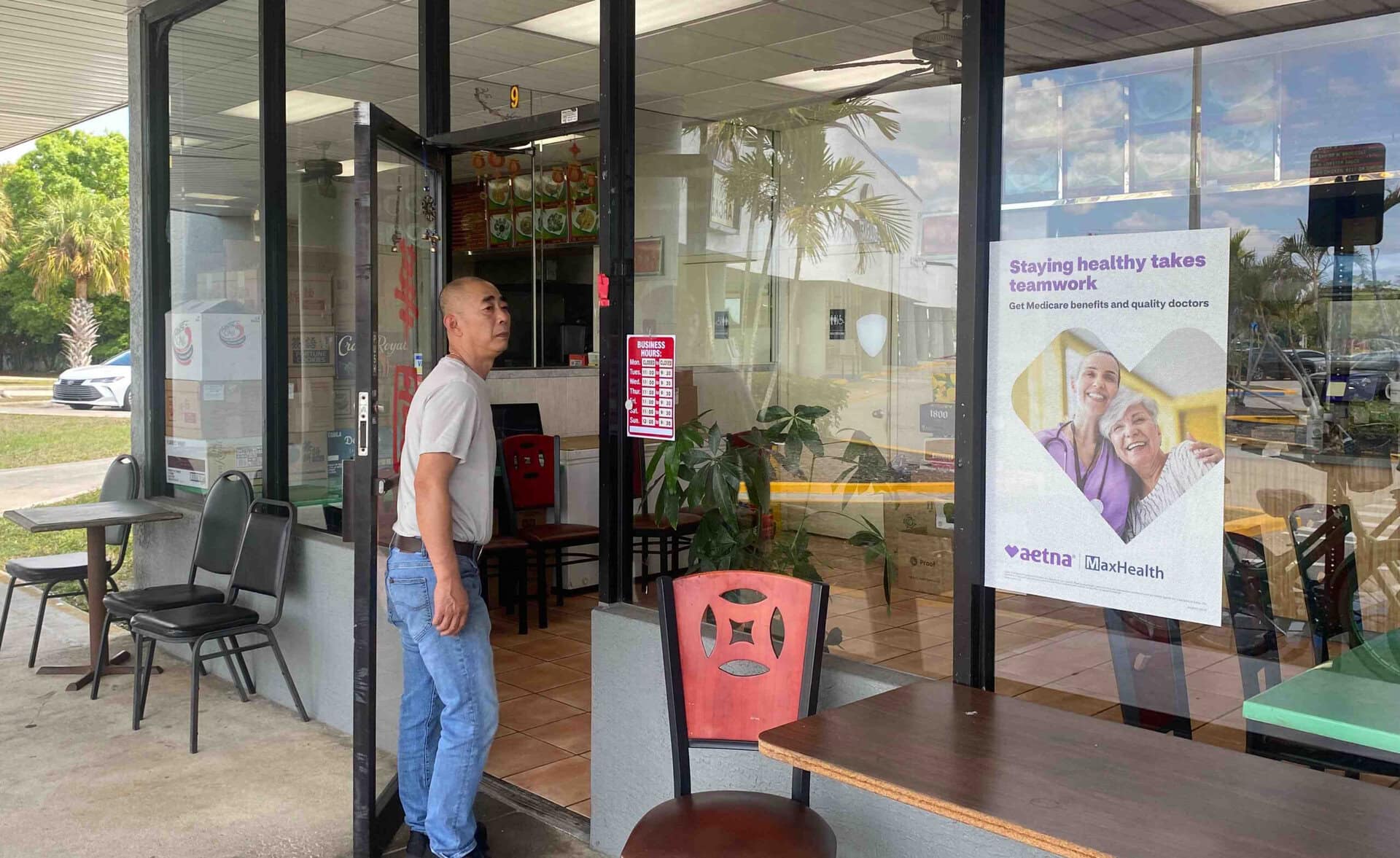
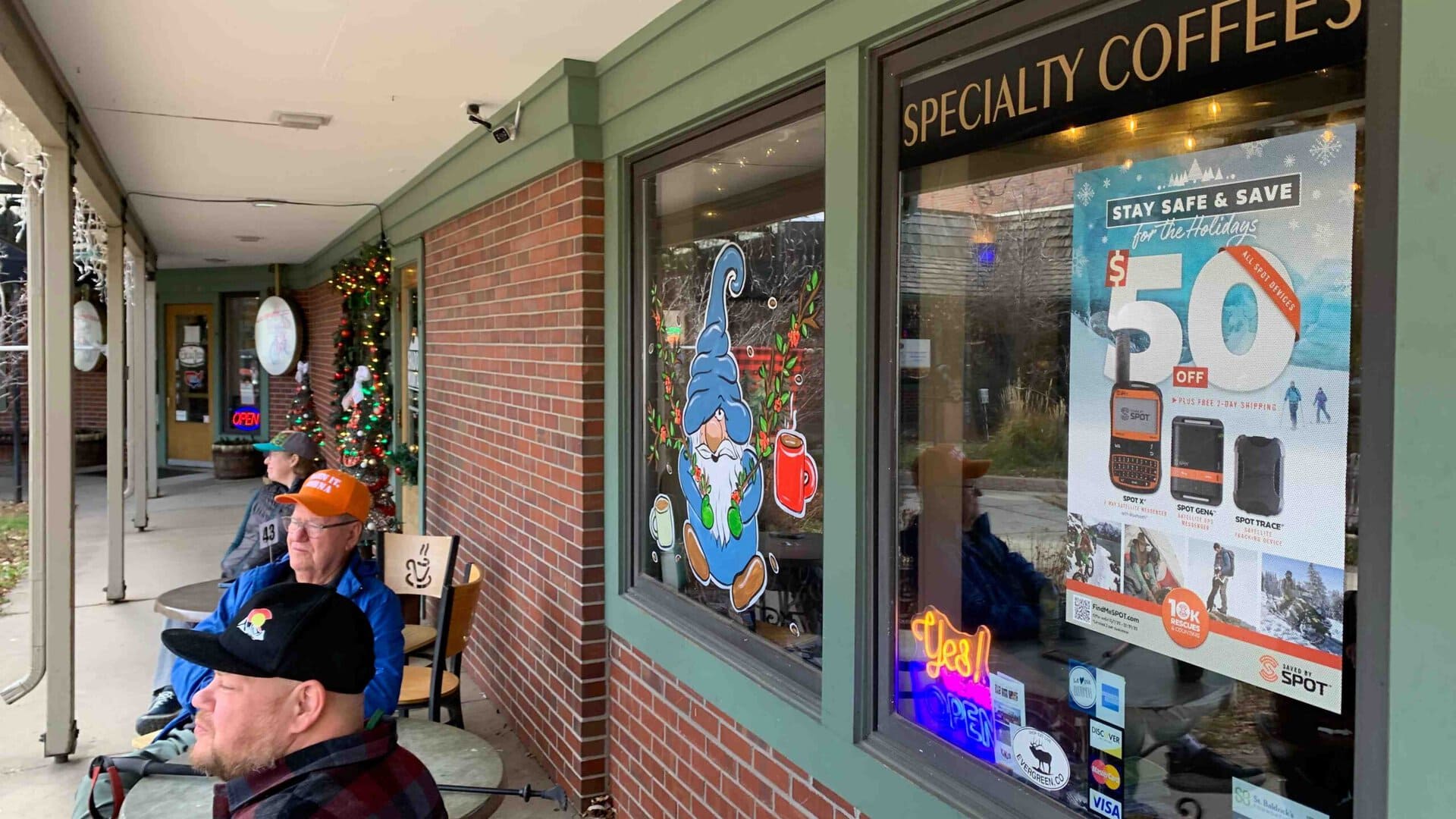
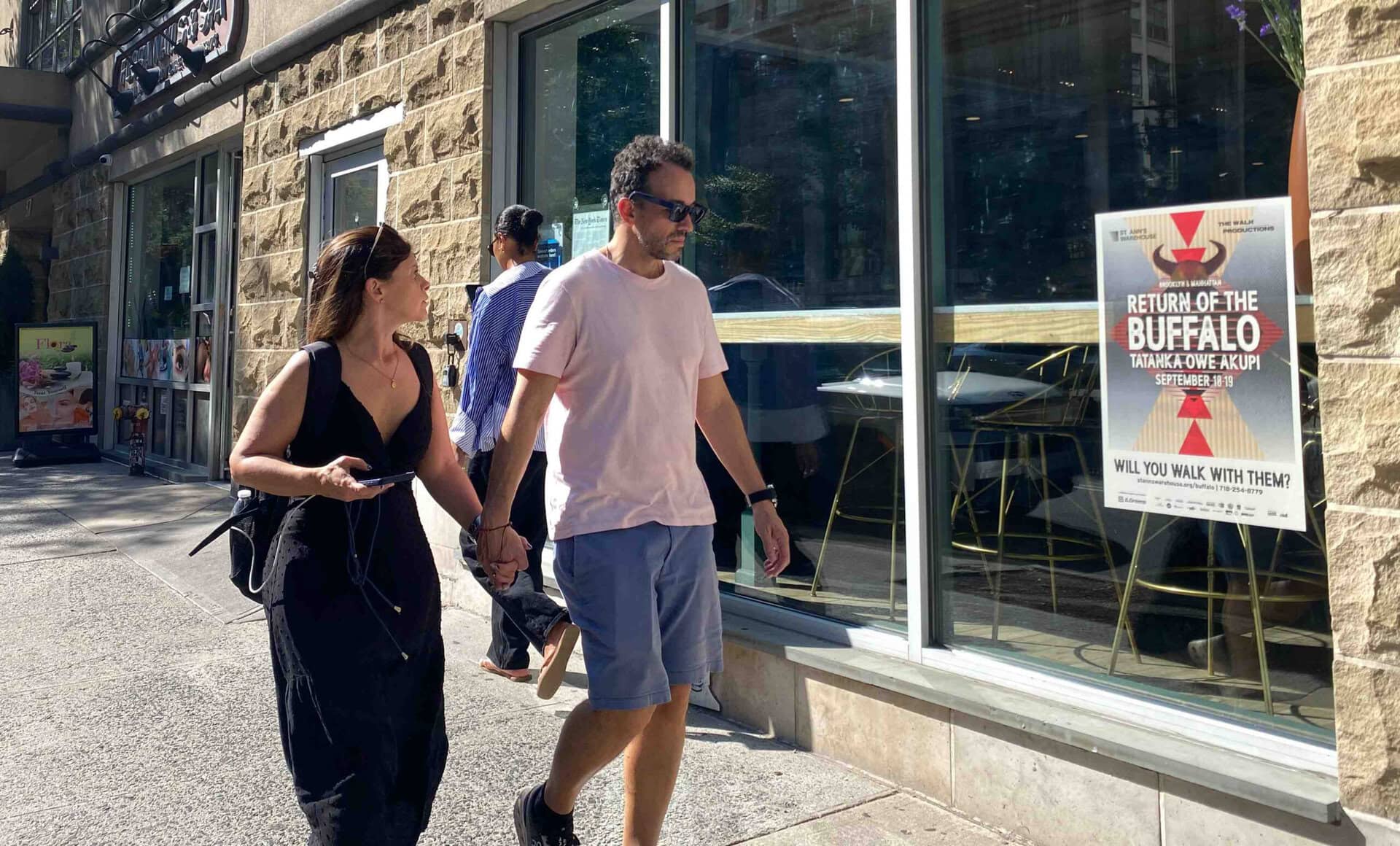
Not all OOH is built equal. A massive digital display in Times Square carries a vastly different cost profile than neighborhood-level storefront posters in prime coffee shops, bars, and retail spaces.
- Traditional Highway Billboards: High-reach, high-cost, but often low-dwell-time (drivers pass in seconds).
- Street-Level & Storefront Media: Highly accessible, hyper-targeted, and delivers massive dwell time where consumers actually walk, shop, and spend money.
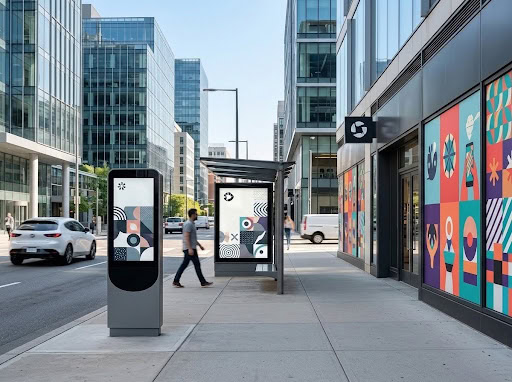
- Transit Displays: Great for repeat exposure during commutes, priced based on line volume and station tier.
- Digital OOH (DOOH): Flexible and dynamic, often sold programmatically based on impression counts or Share of Voice (SOV).
2. Location, Market Tier, & Foot Traffic Density
OOH pricing is heavily tied to impressions and demographics.
- Tier 1 Markets (e.g., NYC, LA, Chicago): Command higher CPMs due to population density and sheer demand.
- Tier 2/3 Markets & Suburbs: Offer lower entry costs and lower CPMs, making them ideal for high-frequency reach.
- Micro-Locations: Venue-specific placements (like lifestyle networks or storefront windows) price around qualified foot traffic rather than raw, unvetted volume.
3. Duration & Share of Voice (SOV)
Static OOH is typically bought in 4-week cycles (13 cycles per year). Buying in bulk (e.g., 12-week or annual commitments) usually unlocks volume discounts.
For Digital OOH, your budget dictates your Share of Voice (SOV)—meaning what percentage of the screen loop your ad occupies (e.g., 1 out of 6 slots = 16.6% SOV).
4. Production, Printing, & Creative Adaptation
A common oversight in OOH budgeting is failing to account for physical production.
- Static Formats: Require printing (vinyl, paper, specialty substrates), shipping, and professional installation/take-down fees. Production typically adds 10% to 15% on top of your media spend.
- Digital Formats: Eliminate printing and installation fees entirely, though you may need to budget for creative adaptation across multiple aspect ratios.
OOH Cost Benchmarks: Format Comparison
To help you build your baseline OOH Cost Guide, here is how major outdoor media formats compare in average CPM (Cost Per Thousand Impressions) and minimum entry budgets:
| Format | Average CPM Range | Dwell Time Profile | Best Used For |
| Street-Level / Storefronts (WNDW) | $5 – $15 | High (Eye-level, foot-traffic, neighborhood venues) | Local conversions, hyper-targeting, direct response, brand depth |
| Transit / Bus Shelters | $8 – $20 | Moderate (Commuter waiting times) | Frequency, broad urban reach |
| Digital OOH (DOOH Networks) | $10 – $25 | Variable (Depends on screen location) | Dynamic messaging, real-time triggers, flexible scheduling |
| Traditional Highway Billboards | $15 – $45+ | Low (3 to 5 seconds per pass) | Massive top-of-funnel reach, broad brand awareness |
Key Takeaway: High CPMs don’t always equal higher ROI. A lower-CPM highway billboard might generate 500,000 views, but if 90% of those people aren’t in your target market—or drive past too fast to read your URL—you’re paying for wasted impressions. Street-level inventory captures engaged attention when intent is high.
How to Maximize Your Outdoor Ad Budget
If you’re looking to squeeze the absolute highest ROI out of your outdoor media plan, keep these strategic principles in mind:
1. Buy for Context, Not Just Volume
Instead of spending your entire budget on a single flagship billboard, distribute your spend across a network of street-level storefront displays. By placing your brand in contextually relevant spaces—where your exact buyer persona eats, drinks, and shops—you eliminate wasted ad spend.
2. Leverage Dwell Time to Drive Action
When viewers interact with your ad at eye level while walking or waiting in line, they have time to act. Adding QR codes, short URLs, or location-based promotions onto street-level creative turns brand awareness into measurable traffic.
3. Factor in the “Production Buffer” Early
Always hold back 10–15% of your total budget for creative production, formatting, and installation. If your media budget is $50,000, plan to allocate around $43,000–$45,000 for media and $5,000–$7,000 for execution.
Sample Budget Allocation: $25,000 Local Market Activation
Here is what an optimized, high-intent $25,000 OOH budget looks like for a direct-to-consumer or high-growth brand targeting a key metropolitan market over a 4-week flight:
- Street-Level Storefront Network (Static & Window Placements): $18,000
- (Yields ~2.5M to 3.5M highly-targeted urban impressions across key target zip codes)
- Programmatic DOOH Retargeting Boost: $3,500
- (Layering digital screens near high-performing physical venues during peak hours)
- Production, Printing, & Logistics: $2,500
- (High-quality printing, shipping, and professional local installation)
- Measurement & Attribution Tracking: $1,000
- (Foot-traffic analysis or QR/location lift tracking)
Ready to Build Your Custom OOH Budget?
Planning an outdoor ad budget doesn’t have to be guesswork. By focusing on street-level engagement, context, and transparent pricing, you can build a high-converting campaign that fits your exact growth targets.
At WNDW, we specialize in connecting brands directly with consumers through hyper-targeted street-level venue networks and storefront media—delivering maximum dwell time without the bloated traditional billboard markup.