
When a patient wakes up with an agonizing toothache, a swollen ankle, or a child running a sudden fever, they aren’t looking for a high-end specialist three cities away. They want immediate, high-quality care right down the street. In modern healthcare advertising, proximity isn’t just a minor detail—it’s the primary factor in patient selection.
While broad digital banners and massive regional campaigns might deliver thousands of impression ticks, they often suffer from severe ad waste, ad blockers, and low local conversion rates. For hospital networks, urgent care clinics, dental groups, and specialty practices, the key to filling appointment books lies in hyperlocal healthcare marketing: reaching potential patients in the exact neighborhoods where they live, walk, shop, and spend their daily lives.
Here is how healthcare providers can leverage street-level, hyperlocal advertising to build real community trust, outpace regional competitors, and drive local patient acquisition.
What is Hyperlocal Healthcare Advertising?
Hyperlocal healthcare advertising targets potential patients within a tightly defined physical footprint-often scoped down to specific ZIP codes, target neighborhoods, or exact street blocks.
Unlike broad regional marketing that casts a net across an entire metropolitan area, hyperlocal healthcare strategies concentrate your marketing spend exclusively on the people most likely to walk through your doors: your immediate neighbors.
Why Proximity Drives Patient Choice
Healthcare decision-making is deeply tied to geography and trust. Over 75% of health-related searches carry direct local intent (e.g., “urgent care near me” or “pediatrician in [Neighborhood]”).
When you complement digital channels with tangible, street-level Out-of-Home (OOH) media, you meet patients where they are—before they even pick up their phones.
1. Zero Wasted Ad Spend & 0% Ad Fraud
Digital display advertising is increasingly plagued by ad blockers, bot traffic, and rising cost-per-click rates. Real-world hyperlocal media puts your messaging directly in front of real humans in high-foot-traffic local venues, eliminating non-local wasted impressions.
2. Physical Presence Builds Instant Trust
Patients want reassurance when selecting a provider. Seeing a high-visibility physical presence—such as a storefront display at a favorite local coffee shop or pharmacy—creates a sense of community familiarity and implicit endorsement that an online pop-up banner simply cannot replicate.
3. Drives High-Intent Local Action
Patients in your immediate neighborhood don’t need convincing to visit your service area—they are already there daily. Street-level advertising catches consumers when they are out in their routine, triggering brand recall the moment a healthcare need arises.
Traditional Advertising vs. Hyperlocal Street-Level Media
| Key Factor | Regional Digital / Broad Ads | Hyperlocal OOH + Mobile Integration |
| Geographic Scope | Metro-wide or multi-county | Block-by-block, ZIP code, or 1–3 mile radius |
| Ad Delivery | Easy to skip, block, or ignore | Unmissable real-world storefront displays & streetscapes |
| Community Trust | Generic national/regional feel | Deep local connection & street-level relevance |
| Measurement & Accuracy | High risk of bot traffic & ad fraud | Geopath-audited impressions with real-time photo verification |
| Conversion Focus | Passive awareness | High immediate action & appointment booking |
4 Actionable Hyperlocal Strategies for Healthcare Providers
To dominate your surrounding territory and turn local residents into loyal patients, combine physical real-world media with targeted digital touchpoints:
1. Deploy Street-Level Storefront Displays (WNDWposter™)
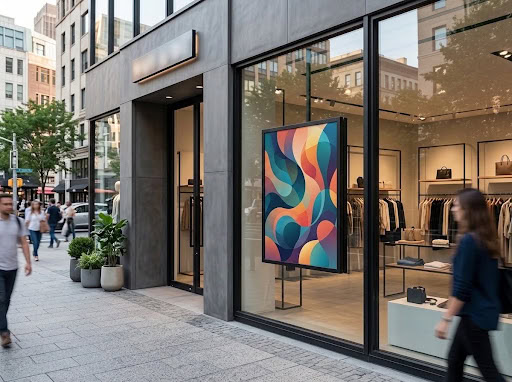
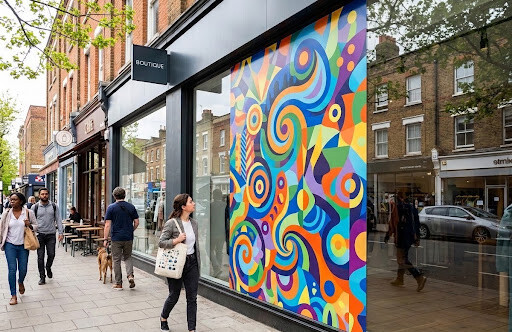
Place high-impact storefront billboards on the exterior windows of trusted local businesses—neighborhood cafes, fitness centers, independent groceries, and retail hubs where your target demographics spend time every day.
- Healthcare Example: A primary care practice places eye-level storefront displays in neighborhood bakeries and organic markets within 1 mile of their newly opened facility to establish immediate local authority.
2. Geo-Fence Real-World OOH with Mobile Ads
Bridge the gap between physical media and digital conversion. By drawing virtual boundaries around your OOH placements, you can retarget smartphones in those exact geographic zones with mobile display ads.
- When a neighbor sees your physical storefront poster while grabbing their morning coffee, they subsequently receive a mobile ad prompt allowing them to book an appointment with a single tap.
3. Hyper-Localize Your Creative Messaging
Avoid generic healthcare slogans. Tailor your ad copy to reflect the specific culture, landmarks, or needs of the targeted neighborhood.
- Instead of: “Top Pediatric Care in the Greater Metro Area”
- Try: “Caring for [Neighborhood Name] Families Just 2 Blocks Away on Main St.”
4. Align Physical Displays with Google Business Profiles
Ensure that your physical neighborhood campaign seamlessly matches your online footprint. When local storefront ads prompt a user to search for your clinic, your Google Business Profile, physical address, phone number, and local patient reviews should immediately validate their decision to book.
A Note on HIPAA & Brand Safety
Hyperlocal real-world advertising offers a powerful workaround to increasingly strict online privacy guidelines. Physical OOH activations and privacy-compliant mobile geo-fencing deliver maximum local impact without capturing protected health information (PHI) or violating patient privacy standards. Plus, audited storefront networks ensure your brand appears exclusively in clean, brand-safe environments.
Reclaim Your Neighborhood Practice
In healthcare advertising, bigger isn’t better—closer is better. By meeting potential patients in the physical spaces they navigate every day, you reduce wasted ad spend, build genuine community trust, and fill your appointment schedules with the patients right outside your front door.
Ready to Own Your Local Health Market?
At WNDW, we help healthcare systems, specialty clinics, and regional practices connect with patients where they live, shop, and walk. With a nationwide network of over 73,000 storefront locations and integrated mobile geofencing, we build custom street-level campaigns targeted down to your exact neighborhood footprint.
Contact WNDW Today to map out your custom hyperlocal healthcare campaign and turn neighborhood foot traffic into booked appointments.